

Uncategorized
INFIDEL – WHAT DOES IT MEAN? CHARACTERISTICS OF AN INFIDEL
22
Th1
Th1
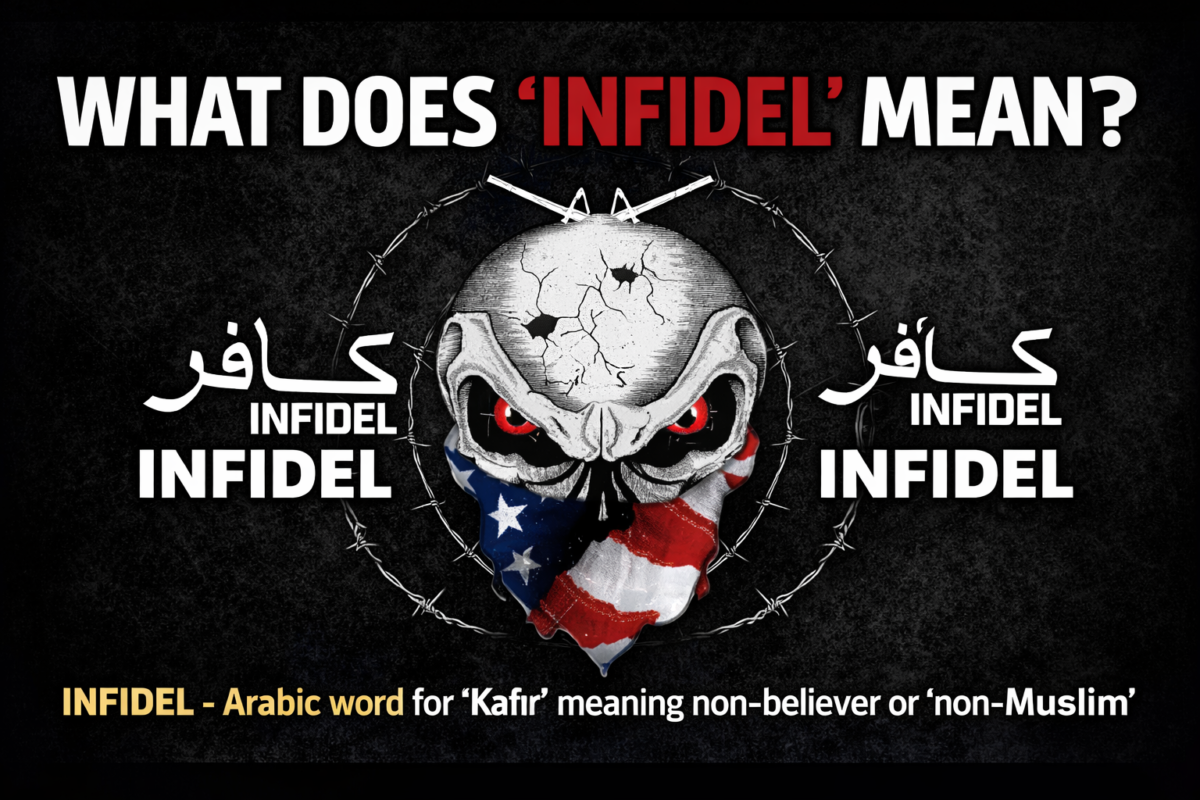
WHAT DOES “INFIDEL” MEAN?
Infidel is a term that originates from the Latin word infidelis, meaning “unfaithful” or “without faith.” Depending on the context, the word can carry different connotations—ranging from religious and historical usage to modern interpretations, sometimes with offensive implications.
1. In religion
- Infidel refers to a person who does not follow or believe in a particular religion.
- Historically, in Christianity and Islam, the term was often used to describe non-believers or those outside the faith.
2. In history
- During the Middle Ages, “infidel” frequently appeared in texts related to the Crusades, used to distinguish between “believers” and “those outside the religion.”
- The term carried a strongly divisive and confrontational tone.
3. In modern language
- Today, infidel is rarely used in everyday conversation.
- When it is used, it often has a negative, insulting, or sarcastic tone, especially when referring to someone’s religious beliefs.
CHARACTERISTICS OF AN “INFIDEL” (TRADITIONAL UNDERSTANDING)
Note: The characteristics below are not objective or scientific descriptions, but rather reflect historical or cultural stereotypes and biases.
- ❌ Does not share the same religious beliefs as the dominant group
- ❌ Viewed as an outsider or someone who “does not belong”
- ❌ Often associated with negative portrayals in religious conflicts
- ❌ A term that can be controversial or offensive in modern usage
SHOULD THE TERM “INFIDEL” BE USED?
- ⚠️ Not recommended for everyday conversation
- ⚠️ Can be interpreted as disrespectful or offensive
- ✅ Best used only in academic, historical, or linguistic contexts
SUMMARY
👉 Infidel refers to a person who does not share the same religious faith, a term rooted mainly in religious and historical contexts, and one that carries negative connotations today. In modern communication, it is better to use neutral and respectful language to avoid misunderstanding.
